The roof is the single most important protective barrier your home has. It shields your entire house — and everything inside it — from Florida’s intense sun, heavy rains, high winds, and occasional storms and is one of the “BIG 3”. When a roof begins to fail, it can quickly lead to thousands of dollars in damage to ceilings, walls, insulation, and even your belongings. Whether you’re buying an older home, selling one, or simply trying to take care of the house you’ve owned for years, understanding the condition of your roof and knowing what warning signs to look for can save you from expensive surprises and major headaches down the road.
Common Roof Types in Florida Homes
The majority of homes across Florida have asphalt shingle roofs, especially those built between the 1970s and early 2000s. Tile roofs are extremely common in South Florida and in many planned communities. Metal roofs have become increasingly popular over the past 15 years due to their durability, energy efficiency, and excellent performance in high winds. You will also occasionally see flat or low-slope roofs on some homes and many commercial buildings. Each of these materials reacts differently to Florida’s intense sun, high humidity, heavy rainfall, and hurricane-force winds.
Asphalt Shingles
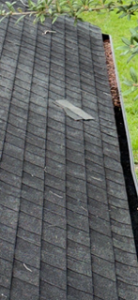
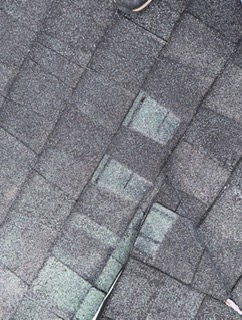
These are by far the most common and affordable option. They come in many styles and colors and are relatively quick to install. However, Florida’s intense UV rays break down the asphalt binders quickly, causing the shingles to become brittle, curl, crack, and lose their protective granules. Most asphalt shingle roofs in Florida last between 12 and 18 years.
Tile
Tile roofs are very popular in South Florida because of their Mediterranean look and long lifespan. While the tiles themselves are extremely durable, the underlayment (the waterproof layer beneath the tiles) is the real weak point. Florida’s heat and humidity cause the underlayment to dry out, crack, and fail, often long before the tiles wear out. This is one of the most common — and expensive — surprises with tile roofs.
Metal
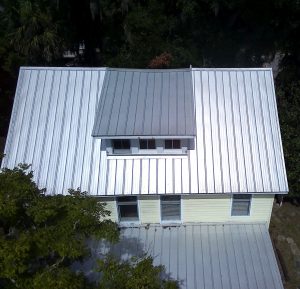
Metal roofs have gained tremendous popularity in Florida because they are highly wind-resistant, reflect heat, and can last 30 to 50 years or more when properly installed. Modern standing-seam metal roofs are particularly good at withstanding hurricane-force winds because the panels interlock and span from eave to ridge with fewer edges for wind to catch. They are more expensive upfront but often save money over the long term due to their longevity and energy efficiency.
Flat and Low-Slope Roofs
Some homes and many condo buildings in Florida have flat or low-slope roofs. These require completely different materials and maintenance methods than their sloped counterparts. They are especially vulnerable to ponding water, which can quickly lead to serious leaks if the membrane or coating is not properly maintained.
How Long Should a Roof Last in Florida?
Florida’s intense sun, high humidity, heavy rainfall, and occasional storms make our climate much tougher on roofs than most other parts of the country. Lifespans vary significantly depending on the material:
- Asphalt Shingles typically last between 12 and 18 years. The intense UV rays break down the asphalt binders, causing the shingles to become brittle, curl, crack, and lose their protective granules. South and west-facing roofs often wear out faster.
- Tile can last 25 to 40 years or more. However, the tiles themselves are not the real roof — the underlayment beneath them is. In Florida’s heat and humidity, this underlayment often becomes brittle and cracks after 20–30 years.
- Metal is the longest-lasting option, often performing well for 30 to 50 years or more when properly installed and maintained.
- Flat or Low-Slope Roofs usually last 15 to 25 years, but they require more frequent maintenance because they are highly vulnerable to ponding water.
Signs Your Asphalt Shingle Roof Is Failing
The most obvious signs include curling or buckling shingles, dark black streaks running down the roof, large amounts of granules collecting in your gutters, and missing shingles. If you can see daylight shining through the wood deck from the attic, that is a serious problem that needs immediate attention. Water stains on your ceiling or walls after rain is another clear warning sign.
Common Problems with Tile Roofs in Florida
While tile is very durable, the underlayment underneath is often the weak link. Florida’s extreme heat and humidity cause the underlayment to dry out, crack, and lose its ability to keep water out. Missing or cracked tiles after storms are also very common. Even if the tiles look fine from the ground, failing underlayment can force you to do a complete roof replacement much sooner than expected.
Signs of Metal Roof Problems
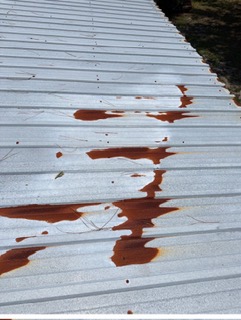
Metal roofs in Florida commonly develop problems with loose or missing screws, rust forming around fastener holes, and deteriorating rubber gaskets. Over time these gaskets dry out and crack, allowing water to leak around the screws. Many warranties require that all screws be replaced every 8 to 10 years.
The Impact of Florida’s Climate on Your Roof
Florida’s combination of intense UV rays, high humidity, frequent rain, and occasional tropical storms creates one of the most challenging environments for any roof. The UV rays break down asphalt shingles much faster than in northern states. Humidity promotes rapid algae and mold growth. High winds during storms can cause significant damage even to relatively new roofs.
The Impact of Solar Panels on Your Roof
Solar panels are becoming very popular in Florida, but they can have a significant impact on your roof’s lifespan. While solar is a great investment, panels add weight, create penetration points for leaks, and trap heat between the panels and the shingles. This “hot box” effect can cause the shingles underneath to degrade much faster.
Best practice: Have it inspected and, if needed, replaced before installing solar panels.
The Importance of Proper Ventilation
Proper attic ventilation is one of the most important factors in how long your roof will last. Good ventilation allows hot air and moisture to escape while cooler air enters from the soffits. In Florida’s heat, a poorly ventilated attic can reach 140–160°F, which dramatically shortens shingle and underlayment life.
How to Maintain Your Roof in Florida
Regular maintenance is essential. Keep your gutters clean year-round, trim overhanging tree branches, and have your roof professionally inspected every two to three years. Address any loose or missing shingles and tiles promptly.
When Should You Replace Your Roof?
If your asphalt shingles are approaching 15 years old and showing multiple signs of aging, it’s time to start getting replacement quotes. For tile, failing underlayment often means a full replacement is needed even if the tiles still look good.
The Cost of Roof Replacement in Florida
Replacement costs vary significantly depending on the size of your home and type of roof. Asphalt shingle typically run between $8,000 and $16,000. Tile is much more expensive, often ranging from $15,000 to $50,000 or more. Metal usually fall somewhere in between.
What a Professional Roof Inspection Should Include
A thorough inspection should examine the roofing material, flashing, gutters, and the attic for leaks. The inspector should also determine the age of the roof and note any issues caused by solar panels, falling limbs, or foot traffic.
What Homebuyers Should Do
If you’re buying an older home in Florida, the roof inspection should be one of your highest priorities. Roof problems are among the most expensive repairs a new homeowner can face.
Before you make an offer, hire a qualified home inspector who specializes in roofs, not just a general inspector. Ask them to walk the roof, inspect the attic, and check for signs of past leaks. Pay close attention to the age of the roof and whether the underlayment has been replaced on tile roofs.
If the roof is more than 10 years old, get quotes for a full roof replacement before closing. Some buyers even negotiate with the seller to replace the roof before they take ownership. Spending a few hundred dollars on a thorough roof inspection before you buy can easily save you tens of thousands of dollars after closing.
Common Scams to Watch Out For
Florida has more than its share of roofing scams, especially after major storms. Be very careful of these common tactics:
- Contractors who show up at your door uninvited offering “free inspections” after a storm.
- Companies that pressure you to sign a contract the same day with “limited time” huge discounts.
- Roofers who offer to file your insurance claim for you and say “you won’t pay anything.”
- Companies that ask you to sign over your insurance check to them.
- Unlicensed contractors who quote extremely low prices and then ask for large deposits upfront.
Always get multiple written quotes from licensed and insured contractors. Verify their license on the state website, check recent reviews on multiple platforms, and never pay a large deposit before work begins. Be very wary of contractors who knock on your door after storms, offer huge discounts for signing immediately, or want to file an insurance claim on your behalf. Always get multiple written quotes from licensed, insured contractors with good reviews.
Choosing the Right Contractor
Verify licensing and insurance, check recent reviews, and ask for references. A good contractor will answer all your questions patiently.
Final Advice
The roof is your home’s most important protective barrier. In Florida’s tough climate, staying proactive with regular inspection and maintenance is one of the smartest things you can do as a homeowner. Getting a professional roof inspections can save you from some of the most expensive repairs you’ll ever face.
Whether you’re buying an older home, maintaining your current one, or planning for the future, understanding your roof’s condition and addressing problems early will protect your largest investment and give you peace of mind.