The electrical system is one of the most important and potentially dangerous parts of any older home. Faulty wiring can lead to house fires, expensive repairs, and serious safety hazards. Understanding what to look for is critical whether you’re buying an older home or maintaining one you’ve owned for years
Common Electrical Systems Found in Older Homes
Homes built before 1960 typically used one of two types of wiring: knob-and-tube or cloth-insulated copper wiring. From the mid-1960s through the early 1970s, aluminum wiring became very popular because it was significantly cheaper than copper. After the mid-1970s, copper wiring with plastic insulation became the standard and remains the standard today. Understanding which type of wiring your home has is very important for both safety and insurance purposes.
Knob-and-Tube Wiring
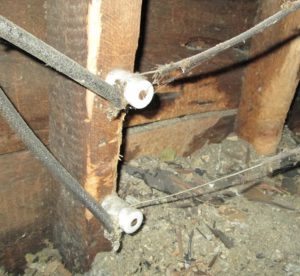
Knob-and-tube wiring was the most common electrical system used from the late 1800s through the 1940s. This system used porcelain knobs and tubes to support and insulate the wires as they ran through the walls and ceilings. One of the biggest problems with knob-and-tube wiring is that it has no ground wire. It was also never designed to handle the electrical demands of modern homes with air conditioning, microwaves, computers, and multiple televisions running at the same time. The cloth insulation on these wires becomes very brittle with age and can easily crack, exposing bare wire. This type of wiring is considered obsolete and potentially hazardous by today’s standards.
Cloth-Insulated Copper Wiring
Cloth-insulated copper wiring was commonly used from the 1930s through the 1960s. While the copper wire itself is excellent and long-lasting, the cloth insulation around the wire becomes dry, brittle, and cracked over time. When the insulation cracks, it can expose bare wire, which creates a serious fire hazard. This type of wiring is often found in homes built between 1930 and 1965 and is frequently overlooked during home inspections because it looks similar to modern wiring from a distance. However, the aging insulation makes it a significant safety concern.
Aluminum Wiring
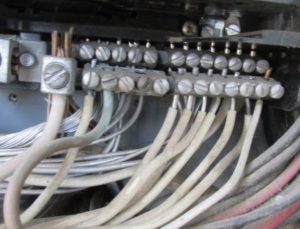
Aluminum wiring was widely used between 1965 and 1973 because it was much less expensive than copper. However, aluminum has several serious problems when used in residential wiring. It expands and contracts at a different rate than the screws and outlets it connects to, which causes connections to loosen over time. These loose connections create resistance that generates heat, and this heat can eventually lead to electrical fires. Many homes with aluminum wiring have had “pigtailing” repairs done using special connectors, but these repairs must be done correctly by a qualified electrician to be safe.
Modern Copper Wiring
After the mid-1970s, copper wiring with plastic insulation became the standard for residential construction. This is the safest and most reliable type of wiring used in homes today. Most homes built after 1980 have this type of wiring. Copper is an excellent conductor of electricity and does not have the expansion and contraction problems associated with aluminum wiring. It also works well with modern outlets, switches, and circuit breakers.
Warning Signs of Electrical Problems
There are several warning signs that should never be ignored. Flickering lights, breakers that frequently trip, warm or discolored outlets and switches, a burning smell coming from outlets or the electrical panel, buzzing or crackling sounds from outlets or switches, and outlets that feel loose or don’t hold plugs firmly are all serious red flags. If you notice any of these signs in your home, you should have the electrical system inspected by a licensed electrician as soon as possible.
The Electrical Panel
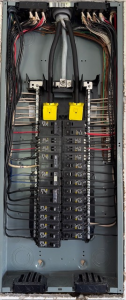
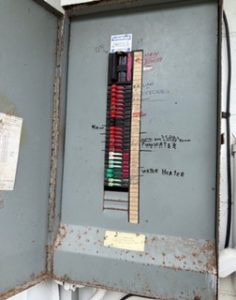
The electrical panel is the heart of your home’s electrical system. Many older homes still have 60-amp or 100-amp service with old fuse boxes. Today’s standard for most homes is a 200-amp breaker panel. An undersized panel can be very dangerous when running modern appliances, air conditioning, and other high-demand devices at the same time. Overloaded panels can overheat and cause fires. Replacing an old panel is often one of the first upgrades recommended in older homes.
Why Old Electrical Systems Are Dangerous
Old electrical systems are one of the leading causes of house fires in older homes. Knob-and-tube wiring lacks proper grounding and was never designed for today’s electrical loads. Cloth insulation becomes brittle and cracks, exposing bare wire. Aluminum wiring creates dangerous heat at connection points. Many insurance companies charge significantly higher premiums for homes with these older systems or may refuse to insure them altogether.
What Homebuyers Should Look For
When buying an older home, the electrical system should be one of your top inspection priorities. Always hire a licensed electrician to perform a thorough inspection of the wiring type, the condition of the electrical panel, and all outlets and switches. The inspector should also check for proper grounding and ground fault circuit interrupter (GFCI) protection in kitchens, bathrooms, and other wet areas. This inspection is critical for both safety and insurance purposes.
When Should You Upgrade Your Electrical System?
If your home has knob-and-tube wiring, aluminum wiring, or an outdated electrical panel with insufficient amperage, you should strongly consider upgrading the system. While upgrading an electrical system can be expensive, it is one of the most important safety improvements you can make to an older home. Modernizing your electrical system also makes the home much more attractive to future buyers and can lower your insurance premiums.
Final Advice
Electrical problems can cause catastrophic damage with very little warning. Unlike a leaking roof or plumbing issue, you often don’t get much notice before an electrical fire starts. Having your electrical system properly evaluated by a qualified electrician is one of the smartest investments you can make when buying or maintaining an older home. Never ignore warning signs, and never attempt electrical repairs yourself unless you are a licensed electrician.