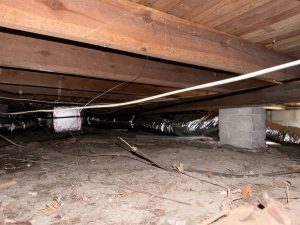
The foundation is the single most important structural element of your home. If the foundation fails, everything above it — walls, floors, roof, and everything else — is at risk. In Florida’s challenging soil conditions and high water table, foundation and structural problems are unfortunately very common in older homes. Knowing what to look for can help you catch serious issues early and avoid repairs that can easily cost tens of thousands of dollars.
Common Foundation Types in Older Florida Homes
Most homes in Florida are built on one of two main foundation types: slab-on-grade or crawl space which is also commonly called pier and beam. Slab foundations are by far the most common, particularly in homes constructed after the 1970s. Older Florida homes, especially those built before 1970, are far more likely to sit on crawl space or pier and beam foundations. Both foundation types have distinct advantages and disadvantages, and each reacts differently to Florida’s challenging combination of sandy soils, high water tables, and frequent heavy rainfall.
Slab-on-grade foundations are popular because they are faster and less expensive to build. The concrete creates a solid base by being poured directley onto the ground. However, because the house rests directly on the slab, any movement in the soil can transfer straight to the home. Repairing a damaged slab is often invasive and expensive since crews usually have to lift the house or inject material underneath it. Crawl space foundations, on the other hand, elevate the home several feet off the ground using concrete piers and wooden beams. This design can provide better access for plumbing and wiring and can reduce some moisture issues, but it requires regular maintenance. Poor ventilation in crawl spaces often leads to high humidity, wood rot, mold growth, and eventual structural damage.
Signs of Foundation Problems
Homeowners should watch for several clear warning signs that their foundation is in trouble. The most common indicator is the appearance of cracks in interior or exterior walls. Stair-step cracks in block walls and long horizontal cracks are especially concerning. Other important red flags include floors that slope or feel uneven when walking across them, doors and windows that suddenly begin to stick or will not close properly, and visible gaps forming around window frames or exterior doors.
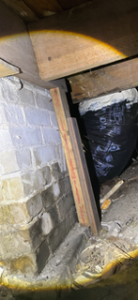
In homes with crawl spaces, sagging or bouncy floors are very common when support beams or floor joists begin to fail. You may also notice musty smells, visible mold, or standing water underneath the house. Cracks in the foundation itself, walls that are tilting or bowing inward, and separation between the ceiling and walls are all serious signs that should never be ignored. If you see any of these issues it is recommended that you call a foundations specialist to evaluate your foundation. Many people wait too long before calling a professional, allowing small problems to turn into extremely expensive repairs.
Common Causes of Foundation Issues in Florida
Florida’s environment creates unique difficulties for home foundations. The majority of the state rests on sandy, loosely compacted soil that shifts and settles easily. During the rainy season, the high water table causes the ground to become saturated quickly, making the soil expand and then shrink as it dries. This constant movement puts tremendous stress on foundations over time.
Poor drainage is one of the leading causes of foundation failure. When rainwater is allowed to collect against the side of the house, or run under the house, it weakens the soil and leads to settling. Large trees planted too close to the home can also cause major problems as their roots pull moisture out of the soil, causing it to shrink. In some areas of Florida, sinkholes present an additional serious risk. Poor original construction practices, such as inadequate soil compaction before pouring a slab, are also very common in older homes. Hurricanes and flooding can cause sudden, catastrophic damage to both the foundation and the overall structure. Proper drainage away from the home is very important in this type of situation.
Termites
Termites can damage your home’s structure without you ever knowing that they are there. In Florida there are two major types of termites, Subterranean and Drywood.
Subterranean termites enter the home from the ground and build tunnels up from the earth to your home. Treatment for subterranean termites is fairly easy. Proper treatment it is a ground treatment that is very successful at mitigating subterranean termite issues. A typical treatment lasts about 5 years. The other type of termites, drywood termites, fly in and find a place to start eating. These termites love wet or moist wood, something soft and easy to eat. Roof or wall leaks provide just the environment that drywood termites love. Keeping your roof and walls in good condition is an important step to keeping the guys away. Keeping termite treatments up to date and yearly inspections will go a long way toward keeping your foundation and wall termite free.
Structural Warning Signs in Older Homes
Foundation problems are often accompanied by other structural issues in older Florida homes. Look for sagging floors that are worse in the middle of rooms, long cracks running from floor to ceiling in interior walls, chimneys that are tilting, and gaps appearing between the floor and baseboards. These signs usually mean the floor joists, support beams, or load-bearing walls are no longer providing adequate support.
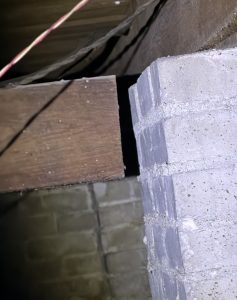
In crawl space homes, rotting wooden beams and joists are a frequent and serious problem. In slab homes, growing cracks and doors that begin sticking for no apparent reason are clear indicators that the foundation is continuing to move. These issues affect not only the safety of the home but also its long-term value.
What Homebuyers Should Look For
Anyone buying an older home in Florida should make foundation and structural integrity their top priority. A standard home inspection is usually not thorough enough when it comes to foundations. It is highly recommended to hire a licensed foundation specialist who is familiar with Florida soil conditions. During the inspection, pay close attention to any cracks in walls or floors, the overall levelness of the home, the condition of the crawl space, and whether any previous repairs have been made.
Always ask the seller for any records related to past foundation repairs, insurance claims, or structural work. Homes with a documented history of foundation problems can be significantly harder to get insurance for and may be difficult to sell in the future.
The Cost of Foundation Repairs in Florida
The cost of foundation repairs in Florida varies widely depending on the type and severity of the problem. Minor crack repairs may only run a few thousand dollars, but major settlement issues requiring steel piers or underpinning can easily cost between $15,000 and $40,000 or more. Repairs in crawl space homes that involve replacing rotted beams and improving moisture control are also quite expensive. The earlier a problem is caught and addressed, the less expensive it will be to fix in the long run.
When Should You Call a Professional?
If you notice significant new cracks, sloping floors, sticking doors or windows, or any other signs that your home is shifting, you should contact a foundation specialist right away. In Florida’s wet climate, problems can worsen very quickly, especially during hurricane season. Most reputable companies offer free inspections, so there is little risk in having the home looked at professionally.
How to Prevent Foundation Problems
Good maintenance can prevent many foundation issues from ever developing. Ensure the ground around your home slopes away from the foundation so water drains properly. Keep gutters and downspouts clean and direct water at least five to ten feet away from the house. Avoid planting large trees close to the foundation, and maintain proper ventilation and moisture control in crawl spaces.
Final Advice
Your home’s foundation is the most important part of the structure because everything else depends on it. In Florida’s difficult environment, foundation and structural problems are very common in older homes. Taking the time to inspect, maintain, and repair issues early can save homeowners from extremely costly repairs and protect both their safety and their investment.